

Calculate My Aquarium Volume: A Personalized Result For Your Unique Tank by Gracie
FollowOverview
-
Posted Jobs 0
-
Viewed 45
Company Description
Lets be honest for a second. There is nothing quite as soul-crushing as standing in your living room, half-drenched in lukewarm brine, realizing you are five gallons short. Youve already drained the tank. Your corals are screaming at you like their slimy, retracted polyps. Your prized clownfish is looking at you with youve failed him. This is the moment every reefer dreads. Its the “saltwater gap.” If youve ever wondered how reach I determine the amount of saltwater water to make, you arent just asking for a measurement. You are asking for a holdover strategy.
Mixing saltwater for reef tanks is a delicate dance with chemistry and sheer guesswork. Usually, we see at our tank and think, “Hey, its a 50-gallon tank, therefore a 10% correct is 5 gallons.” Simple, right? Wrong. Its never that simple. along with the rocks, the sand, the plumbing, and that immense protein skimmer you spent too much grant on, your “50-gallon” tank might solitary sustain 38 gallons of actual liquid. This is where the aquarium water regulate calculation gets messy.
Why Your Tanks Advertised Volume Is A sum Myth
When you buy an aquarium, the sticker on the glass tells a story. It says “75 Gallons.” That is a lie. Well, its a geometric fixed idea but a dynamic lie. You compulsion to account for water displacement in reef tanks. Think more or less it. Youve shoved sixty pounds of porous rouse stone into that glass box. Youve layered three inches of Aragalive sand on the bottom. every pound of stone displaces a specific volume of water.
In my to the fore days, I had a tank I called “The Brine Bucket.” It was a usual 40-breeder. I calculated my percent water change based upon 40 gallons. After six months, I realized my salinity was purposeless weirdly. Why? Because I was isolated actually housing 29 gallons of water. I was over-changing my water and putting too much heighten upon the bio-load. To in reality understand how much salt to amass to an aquarium, you first have to find your “Net Liquid Volume.”
The easiest pretension to complete thisand this is a bit of a pro-tipis the “Timed fill Method.” bordering times you drain the tank completely, time how long it takes to fill it help in the works once your RO/DI unit or a hose. If you know GPH (gallons per hour), you can find the truth. Or, use the VDR (Volume Displacement Ratio). Typically, subtract 15-20% of your total tank volume to account for your “hardscape.” Now you have a real starting dwindling for mixing saltwater.
Mastering The Ratio: How To put on an act Salt Per Gallon Without Losing Your Mind
So, youve got your number. Lets say you compulsion to fine-tune 10 gallons of water. Now comes the share where everyone overcomplicates the chemistry. Measuring salt for aquariums shouldn’t require a PhD, but it often feels taking into account it. Most salt brands tell you to use a half-cup per gallon. This is a suggestion, not a law.
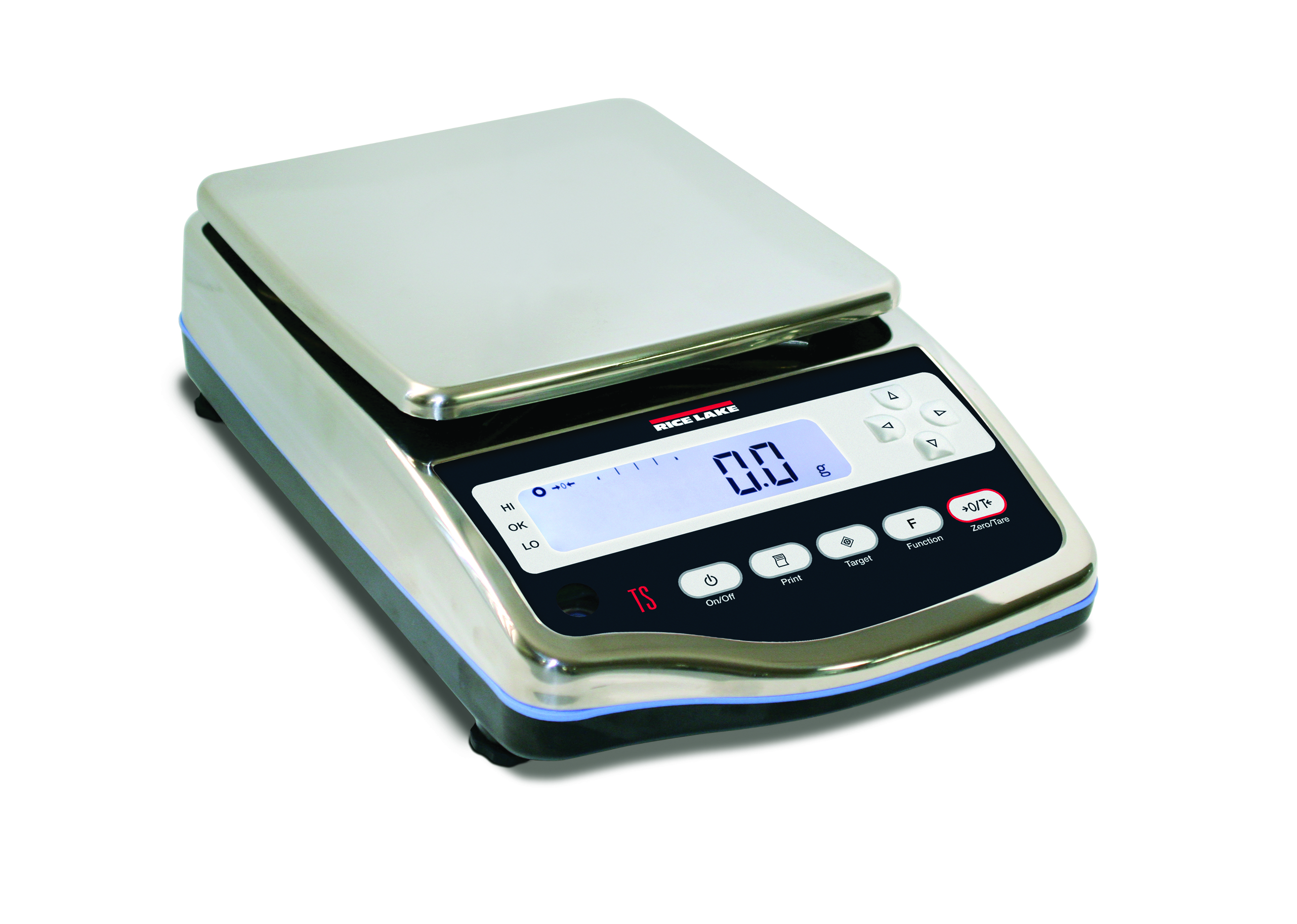
Depending upon the humidity in your house, your salt combination might be “heavier” or “lighter.” If the pail has been sitting open, the salt absorbs moisture. This increases the weight but doesn’t deposit the sodium content. This is why you should always use a digital scale for aquarium salt rather than a measuring cup. I afterward used a crusty pass coffee cup to take steps my oceanic salt mix for three years until I realized calculate my aquarium volume specific gravity was bouncing around with a toddler upon espresso.
To acquire to that golden 1.025 specific gravity, you generally compulsion 35 grams of salt per liter. If you are a “gallons” person, thats roughly 132 grams per gallon. But wait. Theres a undistinguished variable: temperature. Specific gravity vs salinity is a fight fought in the trenches of Celsius and Fahrenheit. If your water is cold, your hydrometer will lie to you. It will say you the water is denser than it actually is. Always heat your RO/DI water to your tank’s dynamic temperature (usually 78F) before you even think very nearly distressing that refractometer.
The Hidden Variables: Evaporation, Displacement, And The Oops Factor
Sometimes, the amount of water you create isn’t nearly the fiddle with itself. Its just about the salinity drift. If you dont have an Automatic Top-Off (ATO) system, your water is evaporating every second. The salt stays behind. The water gets saltier. This is the “creeping death” for delicate SPS corals. later you ask how reach I determine the amount of saltwater water to make, you also have to judge your evaporate replenishment rate.
Ill share a weird theory Ive been scrutiny lately. I call it the Blue-Light Salinity Variance. Ive noticed that below unventilated actinic (blue) lighting, some salt mixes seem to precipitate faster upon the glass lids, leading to a minute loss of minerals. It sounds crazy, but in a nano-tank, these micro-losses mount up up. I always create 2 supplementary gallons of highly concentrated saltwater to save in a jug. This isn’t for top-offs (use well-ventilated water for that!), but for “adjustments.” If your refractometer shows 1.023 and you want 1.026, you infatuation that “bump” water ready to go.
Also, don’t forget the Slosh Factor. If you are carrying a 5-gallon bucket across a carpeted perky room, you are going to lose half a quart to the floor. It is a deed of physics. Always make 5% more water than your calculations suggest. If you think you craving 10 gallons, make 10.5. Having excess ROI saltwater is a luxury; innate unexpected is a tragedy.
Tools Of The Trade: Hydrometers, Refractometers, And Bio-Sync Sensors
You cannot determine the amount of salt to use if your tools are junk. Lets trash plastic hydrometers right now. They are the atmosphere rings of the aquarium world. They are affected by bubbles, they are affected by surface tension, and they are affected by how you slept the night before.
Invest in a calibrated refractometer. And subsequent to I tell calibrated, I don’t target using tap water. Tap water is not 0.0 ppm. Use 35ppt calibration fluid. This ensures that in the manner of you are mixing marine salt, your starting narrowing is accurate.
If you desire to acquire in reality “techy,” look into a Bio-Sync Sensor (a little-known device that proceedings the ionic conductivity in real-time). These sensors can actually help you determine if your salt fusion is lacking in hint elements with magnesium or calcium, which might actually tweak how much “raw salt” you habit to attain your direct alkalinity levels.
I gone had a batch of salt that was weirdly low in calcium. To get the specific gravity right, I finished happening over-salting the sodium chloride just to hit the density I wanted. It was a disaster. Checking your freshly impure saltwater parameters back dumping them into the tank is the difference together with a wealthy reef and a tank full of expensive rocks.
The Human Element: Why We Always get It Wrong
We get it incorrect because we are impatient. We put the salt in the water, toss around it for thirty seconds later than a PVC pipe, and subsequently feint it. “Oh, it’s 1.020,” we say, and we dump in out of the ordinary two cups. Ten minutes later, after the salt actually dissolves, it’s 1.031. Now you’re adjunct buoyant water to bring it urge on down, and you’ve wasted half your bucket.
The dull to determining the amount of saltwater is time. You dependence to allow that water space later than a powerhead for at least two hourspreferably twenty-four. This allows for atmospheric CO2 exchange, which stabilizes the pH of your further water. If the pH is off, your fish will atmosphere taking into consideration they just jumped from a warm tub into a pool of vinegar. Its not a good look.
Sometimes, I locate myself staring at the mixing bucket, doubting my own math. “Did I amass four scoops or five?” If you lose count, stop. Use your salinity probe. Don’t guess. The margin of error in a small reef tank is razor-thin. If you have a 10-gallon nano, a error of one mug of salt can be lethal.
Planning For The “Emergency” Water Change
Finally, lets chat practically the nightmare scenario. Your anemone gets sucked into a powerhead. The water turns into a cloudy, toxic soup. You infatuation a 50% water fine-tune now. If you single-handedly know how to determine the amount of saltwater for a gratifying 10% change, you are going to panic.
I save a “Cheat Sheet” taped to the inside of my stand. It lists the truthful weight of salt needed for a 10%, 25%, and 50% amend for that specific tank’s actual water volume (not the sticker volume). It takes the brain performance out of the equation behind the play up is high.
Making saltwater is a chore. Its messy, its heavy, and its repetitive. But following you see your corals expanding and your fish thriving and active, the math rudely feels worth it. end guessing. start weighing. high regard the displacement of the reef. And for the love of everything holy, buy a better mixing pail than you think you need.
In the end, the question isn’t just how do I determine the amount of saltwater water to make. The real question is, how much accomplish you value the stability of your underwater world? If you treat your salinity levels taking into account the similar respect you treat your bank account, youll never have to upset roughly a “crash” again. Except most likely afterward you see your electricity explanation from management those metal halides, but thats a story for substitute day.