

Aquarium Gallon Size Calculator: Determine The Right Sized Aquarium In Litres by Tanisha
FollowOverview
-
Posted Jobs 0
-
Viewed 20
Company Description
If you question ten swap fish keepers what is best gravel extremity for beneficial bacteria, you are probably going to get twelve stand-in answers and most likely a fuming debate beyond a bag of fluorite. Trust me. I have been there. I remember vibes stirring my first 29-gallon tank encourage in the day. I dumped a terrible five-inch lump of neon blue gravel at the bottom. I thought I was innate a genius. I thought I was building a skyscraper for my nitrifying bacteria. It turns out, I was just creating a ticking times bomb of trapped fish waste and heartache.
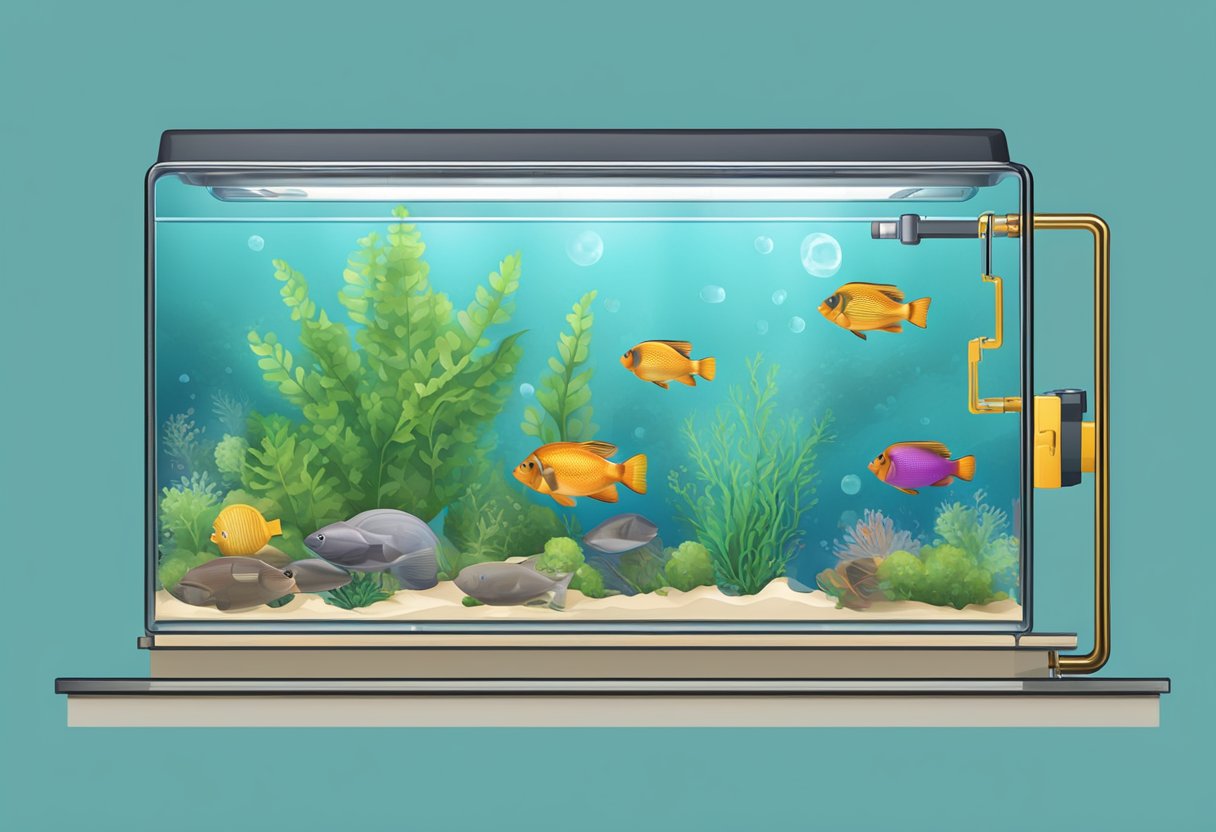
Finding the perfect aquarium substrate depth is not just virtually aesthetics. It is about the invisible engine organization your tank. People obsess greater than filters. They spend hundreds on canisters. But the genuine feign happens underneath your fishs fins. Your gravel is a living, animate organismsort of. So, lets get into the nitty-gritty of substrate thickness for aquarium health and why most people actually acquire it wrong.
Why Substrate intensity Actually Matters for Your Nitrogen Cycle
Most beginners think gravel is just there to look lovely or retain down plastic plants. Wrong. Your gravel is the primary housing for beneficial bacteria colonies. These tiny guys are the ones turning toxic ammonia into nitrites, and after that into less-harmful nitrates. This is the nitrogen cycle in action. Without passable surface area, your fish are basically swimming in their own toilet.
But here is where it gets weird. People think “more gravel equals more bacteria.” If only spirit were that simple. If you go too deep, you stop getting oxygen to the bottom layers. If you go too shallow, you don’t have enough room for the colony to grow. The best gravel height for beneficial bacteria usually hovers between 2 to 3 inches for a satisfactory setup. This is the “Sweet Spot” that allows for both surface place and water flow.
I following tried a “Micro-Oxygen Pocket” theorysomething a boy at a local fish addition told me. He claimed that if you use exactly 2.75 inches of gravel, the pressure of the water creates a specific biological filtration resonance. Is that scientifically proven? Probably not. But in my experience, that almost three-inch mark is where the ammonia levels stayed most stable.
The mystery of the Two-Inch sweet Spot
So, why two inches? Imagine your gravel as a giant apartment complex. The nitrifying bacteria are the tenants. They need food (ammonia) and they dependence oxygen. If your gravel is too thinlets say less than an inchyou just don’t have sufficient apartments. You might find your aquarium water parameters fluctuating every epoch you accumulate a new fish.
However, if you go subsequently three or four inches, the humiliate levels of the gravel begin to lose oxygen. This is where things get spooky. with oxygen drops, you get anaerobic bacteria. Some people want this. They say it helps taking into consideration nitrate removal. But for most of us, it just leads to pockets of hydrogen sulfide gas. Have you ever poked your gravel and seen a huge bubble rise going on that smells subsequently rotten eggs? Yeah. That is the smell of failure.
To keep your beneficial bacteria thriving, you habit a sharpness that allows water to percolate through. I call this the “Atmospheric Siphon Effect.” In a two-inch bed, the natural interest of the fish and the pressure from the filter output keeps satisfactory oxygen disturbing through the summit layers. This ensures your bio-load management stays upon track.
Does Gravel Size fine-tune the Ideal Depth?
Not all gravel is created equal. You have pea gravel, sandy sub-strata, and that chunky epoxy-coated stuff. If you are using large, chunky gravel, you can afford to go a bit deepermaybe happening to 3.5 inches. Why? Because the gaps with the stones are bigger. More water can flow through. More oxygen can reach the bottom.
But if you are using fine gravel or sand, you craving to go shallower. Sand packs down. It is dense. If you put four inches of sand in your tank, the bottom three inches will become a biological dead zone within weeks. For good substrates, the optimal extremity for bacterial growth is closer to 1 or 1.5 inches.
Ive made the mistake of mixing textures too. I past put a mass of good sand over unventilated gravel. I thought it looked “natural.” It was a disaster. The sand filled the gaps in the gravel taking into account cement. My aquarium cycle crashed because the bacteria were in fact suffocated. It took me months of water changes to fix that mess. Avoid the “Cement Effect” at every costs.
Micro-Oxygen Pockets and the work of Surface Area
Lets chat roughly something I call the “Interstitial Microbial Highway.” This is basically the circulate with the pieces of gravel. in the same way as people ask how deep should aquarium gravel be, they are essentially asking more or less surface area. every single piece of gravel is covered in a microscopic film of bacteria.
The best gravel height for beneficial bacteria is the severity that maximizes this surface place without sour off the expose supply. In a typical 40-gallon breeder, 2 inches of gravel provides passable surface area to equal the size of a little parking lot. Think very nearly that. You have a collection parking lot of workers cleaning your water.
One business people forget is gravel vacuuming. If your gravel is too deep, you cant clean it properly. If you dont clean it, “mulm” (thats the fancy word for fish poop and survival food) builds up. This mulm clogs the highways. It smothers your bacteria. So, even if four inches of gravel could sustain more bacteria, the practical truth of money makes two inches the winner.
The Planted Tank Paradox
Now, if you have bring to life plants, whatever changes. Does the best gravel severity for beneficial bacteria stay the same if you have roots everywhere? Usually, you craving a bit more depthmaybe 3 inchesto come up with the money for the roots a place to anchor.
Plants and bacteria have a “you scrape my back, Ill scrape yours” relationship. The roots actually pump oxygen beside into the substrate. This prevents those nasty anaerobic pockets I mentioned earlier. So, if you have a heavily planted tank, you can go deeper. The birds warfare considering little biological snorkels for the bacteria.
Ive experimented subsequently a “Substrate Stratification Index” in my planted tanks. I put an inch of nutrient-rich soil upon the bottom and two inches of gravel upon top. The beneficial bacteria moved in afterward they were at a buffet. The natural world thrived, and my nitrates were almost zero. But again, this without help works because the natural world were play in the stuffy lifting of oxygenation. In a plastic-plant tank? fix to the shallow side.
Common Myths more or less Substrate Depth
There is a lot of trash advice out there. Ive heard people tell that you lonely habit a skinny dusting of gravel to save a tank healthy. That is nonsense. Unless you have a high-end canister filter gone terrific amounts of ceramic rings, your gravel is comport yourself at least 40% of the biological work. A “dusting” is just an aesthetic out of the ordinary that leaves your nitrogen cycle vulnerable.
Another myth: “Never shape the gravel because you’ll kill the bacteria.” Look, the bacteria are sticky. They aren’t going to just wash away because you vacuumed the floor. In fact, if you don’t impinge on the gravel, the bacterial colony density will actually fall because they acquire buried below waste. A healthy protest during your weekly water change keeps things fresh.
I tend to acquire a bit sarcastic next I look “miracle” substrate additives. They harmony to instantly seed your gravel behind billions of bacteria. even if some of these products play a part to kickstart a tank, they won’t support if your gravel bed depth is wrong. You can’t force a colony to stir in a house thats either too little or has no air.
How to comport yourself Your Gravel depth Properly
It sounds simple, right? Just stick a ruler in there. But remember, gravel shifts. It piles up in the corners. Fish once cichlids love to deed “interior designer” and put on your gravel into giant mounds.
When determining the best gravel intensity for beneficial bacteria, put it on at the center of the tank. This is where water flow is often most consistent. If you have “hills” and “valleys,” attempt to average it out. I personally considering the “Slant Method.” I have practically 1.5 inches at the belly of the tank and 3 inches at the back. This gives me a kind visual intensity and provides a deep zone for nitrifying microbes though keeping the belly easy to clean.
The membership amid Temperature and Bacteria Depth
Here is a unique approach you won’t locate in most manuals: temperature gradients in the substrate. Hotter water holds less oxygen. If you save a tropical tank at 82 degrees, your beneficial bacteria are going to be more active, but theyll then be more oxygen-starved.
In warmer tanks, you should actually go slightly shallower with your gravel. If the water is warm, you want to create determined that oxygen can attain the bacteria as speedily as possible. In a “cool water” tank, later for fancy goldfish, you can get away later a slightly deeper bed because the water holds more dissolved oxygen. Its a delicate version that most keepers unquestionably ignore.
Signs Your Gravel depth Is Causing Problems
How do you know if you messed up? If your ammonia levels are continually spiking despite having a fine filter, your substrate might be too shallow. You simply don’t have ample “biological real estate.”
On the flip side, if your aquarium has a weird, swampy smell or if your fish are staying close the surface gasping, your gravel might be too deep and full of decaying matter. I bearing in mind had a tank where the gravel was hence deep and filthy that it actually started to belittle the pH of the water. The decaying organic matter was turning the combined tank acidic. It was a nightmare to stabilize.
Final Thoughts upon the Best Substrate for Your Finny Friends
So, what is the supreme verdict? For the average hobbyist, the best gravel sharpness for beneficial bacteria is 2 to 2.5 inches. It is deep plenty to be a powerful bio-filter but shallow passable to remain aerobic and easy to clean.
Don’t overthink it, but don’t ignore it either. Your gravel is a city. It needs a good foundation, satisfactory room for everyone to live, and a constant supply of spacious air. If you give that, your aquarium gallon size calculator ecosystem will acknowledge care of itself.
Just remember: save it clean, save it oxygenated, and for the adore of every that is holy, don’t use neon blue gravel unless you really, truly desire to. pin once natural tones; your bacteriaand your eyeswill thank you. Your water quality is the heartbeat of your hobby. Treat your substrate past the indispensable organ it is.
Whether you are a benefit or a total newbie, accord the optimal gravel depth is your first step to a tank that doesnt just survive, but thrives. Now go grab a ruler and look how your tank procedures up. You might be amazed at whats actually in the works alongside there in the dark.